


Can UAE afford rising healthcare costs
11 Sept 2025
5 min read
The strategic question facing every leader in the UAE’s healthcare
sector is no longer about growth, but about sustainability. The system is
flashing a clear warning signal: medical inflation in UAE reached 12.5% in 2024, significantly outpacing
the global average of 9.9%. This structural
pressure is translating directly into higher prices for medical procedures and
soaring health insurance premiums that are testing the limits of the current
economic model. This escalating cost curve presents a direct challenge to the
UAE's national vision. But for leaders with foresight, it also creates the most
significant opportunity to innovate, drive efficiently, and build the future of
regional healthcare.
Exhibit 1: Global average medical inflation rate by country

Deteriorating impact of rising costs on stakeholders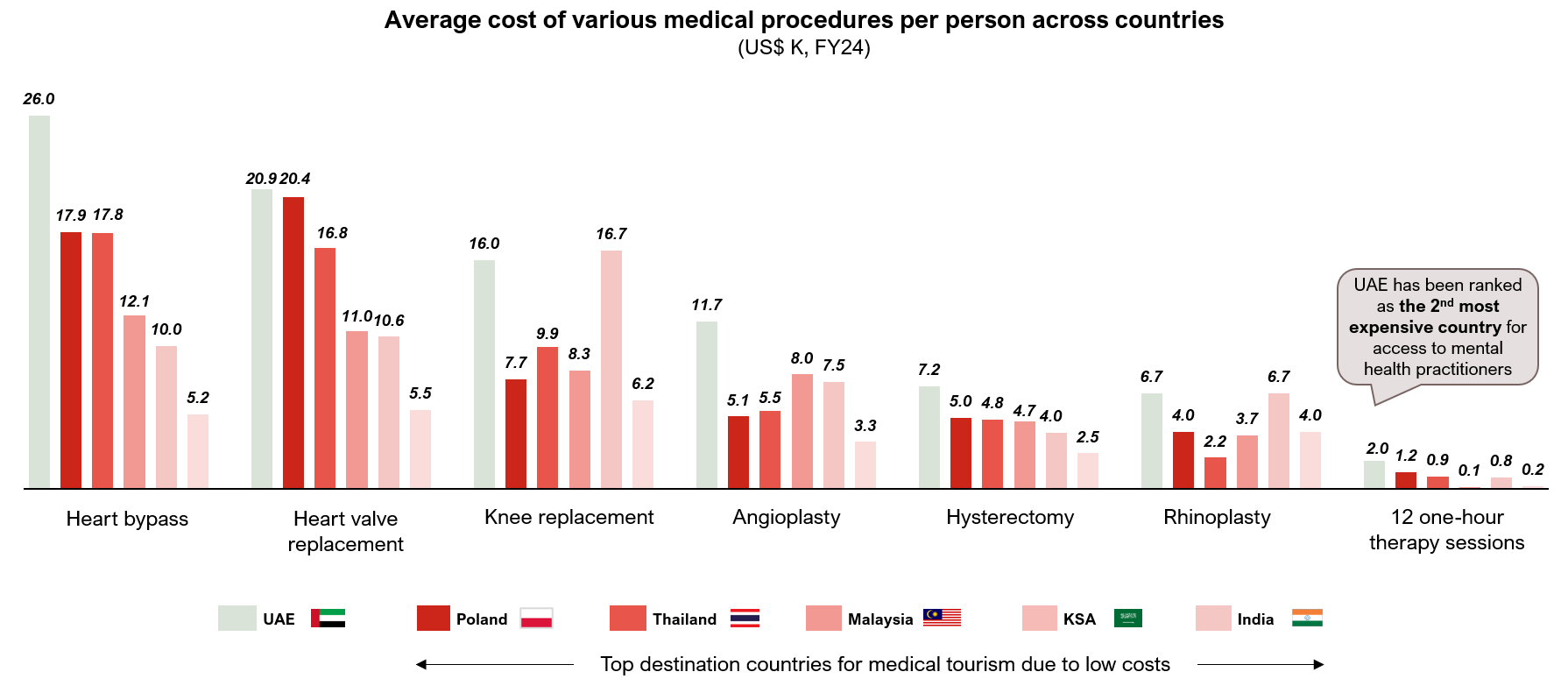
Exhibit 1: Global average medical inflation rate by country
Three headwinds driving unsustainable costs
This cost escalation is not arbitrary. It is the result of a convergence of powerful, systemic forces that are driving up the price and utilization of care.
- Unrestricted fee-for-service model driving overtreatment in private care: Most UAE residents, particularly expats, are covered by private insurance provided by employers, reducing out-of-pocket cost pressure. This allows providers, who earn more by delivering more services, to prescribe unnecessary diagnostics (~35% of diagnostics tests are considered avoidable or redundant) and branded medications. With limited clinical oversight or pricing regulation, these practices are significantly driving up healthcare costs and insurance claims. Insurers, facing margin pressure from soaring claims, are forced to pass the cost on via premium hikes (insurers have raised private medical insurance premiums by ~35% in recent years), burdening employers and individuals alike.
- Increased adoption of advanced technology: To meet growing domestic demand and maintain its status as a premium medical tourism hub, the UAE healthcare sector is locked in a cycle of continuous, high-cost investment in cutting-edge medical technology. These capital costs are invariably passed on through higher prices for services. In response, insurers are narrowing provider networks to exclude some high-cost hospitals and contain claim payouts.
- Import costs & macroeconomic pressures: The UAE healthcare sector depends heavily on imported pharmaceuticals, devices, and consumables. Global supply-chain inflation, currency fluctuations, and deregulation of price caps are driving up provider input costs, ultimately passed through to insurers and patients.
Deteriorating impact of rising costs on stakeholders
Unchecked, this inflationary pressure threatens the foundations of the UAE’s healthcare ambitions.
- Government: For the government, runaway costs strain public finances and risk diverting capital from other critical national diversification goals. This growing financial commitment risks becoming unsustainable, especially as healthcare demands continue to escalate
- Private sector squeeze: Margin pressure is intensifying across the board. Insurers face eroding profitability as claims rise, forcing premium hikes that burden employers. Providers are caught between their own rising operational costs and the inevitable pushback on reimbursement rates
- The patient burden: Ultimately, the cost is transferred to the individual. This is seen in rising insurance co-payments, now reaching up to 30%, which are pushing up out-of-pocket costs. This can make healthcare less affordable and cause people to defer necessary care
Exhibit 2: Average cost of various medical procedures per person across countries
The path forward: Three levers
for a sustainable system
Bending the cost curve demands more than intent, it needs focused execution on what the sector can control. This means executing on three strategic levels with concrete actions.
Exhibit 3: Strategic levers for sustainability

1. Reduce input costs via joint procurement and
local sourcing: By leveraging joint procurement alliances and increasing local
sourcing, healthcare providers can reduce the per-unit cost of imported
pharmaceuticals and medical devices. This helps protect profit margins from
global price volatility and currency fluctuations, addressing a key driver of rising service costs
and insurance premiums, and enabling better control over overall healthcare
expenditure
- For operators (Hospitals & Diagnostics): Actively form or join Group Purchasing Organizations (GPOs) to drive down unit costs on consumables and high-volume devices
- For MedTech & HealthTech companies: Invest in local assembly and packaging to offer competitively priced products and insulate providers from import volatility
- For investors: Strategic opportunity lies in funding the platforms that enable this shift. B2B procurement platforms and local MedTech assembly facilities are prime targets
- For operators: Drive automation across administrative functions like billing, scheduling, and records management to cut costs. In clinical workflows, integrate AI tools for diagnostics to enhance accuracy, reduce errors, and boost throughput
- For MedTech & HealthTech companies: Engineer AI platforms that are proven to reduce provider costs and integrate seamlessly into clinical workflows in areas like remote diagnostics
- For investors: Prioritize scalable, ROI-proven digital solutions that integrate seamlessly with existing hospital systems, such as AI-powered diagnostics or automation tools
- For operators: Implement Remote Patient Monitoring (RPM) for chronic and post-surgical patients to reduce costly readmissions and free up high-value bed capacity for more profitable procedures
- For MedTech & HealthTech companies: Develop user-friendly, IoT-enabled RPM platforms, including wearables and dashboards, that make shifting care from the hospital to the home feasible and scalable
- For investors: Fund RPM companies with strong unit economics that target high-cost chronic diseases and provide the technological backbone for new, cost-efficient care models